Northridge Institute of Business and Technology Inc.
"EDUCATION TOWARDS INDUSTRY 4.0 READY"
Northridge Institute of Business and Technology Inc. provides and creates an evolving, reliable, innovative, integrated and service-oriented information technology environment that empowers, enhances and engages the Leaners disciplinary knowledge; problem solving; leadership, communication, and interpersonal skills; and personal well-being.
COURSES OFFERED
CREATIVE WEBDESIGN
CAREER ENTRY COURSE FOR SOFTWARE DEVELOPERS-RPG - Level II
CAREER ENTRY COURSE FOR SOFTWARE DEVELOPERS-LEGACY SYSTEM/COBOL - Level II
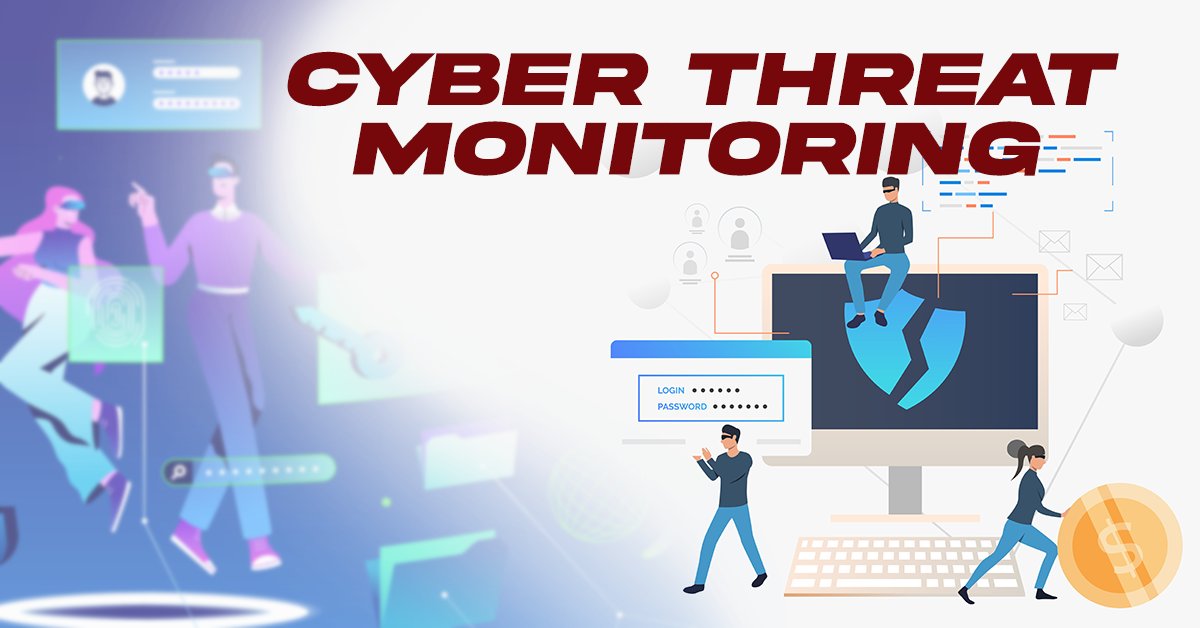
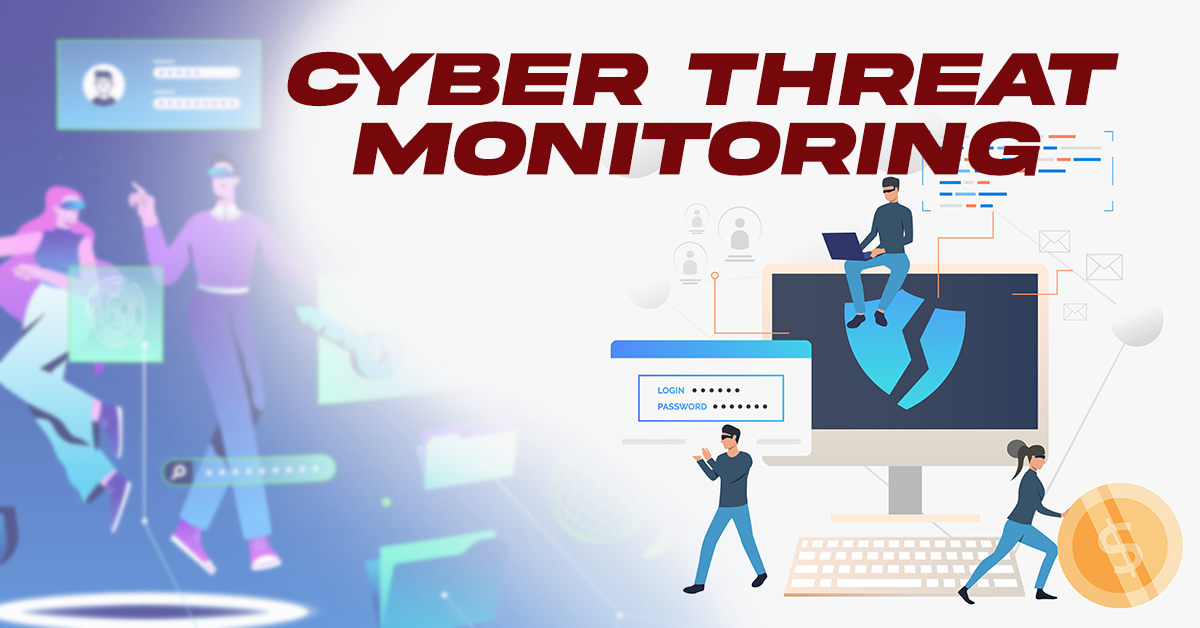
Cyber Threat Monitoring Level I qualification consists of competencies that a person must achieve to monitor and report cyber threats and to conduct vulnerability scanning of assets, and involves continually analyzing and evaluating security data to identify cyber attacks and data breaches. This process collects and correlates information from network sensors, appliances, endpoint agents, and other security technologies to identify patterns indicative of potential threats or security incidents.
Cyber Threat Monitoring Level I qualification consists of competencies that a person must achieve to monitor and report cyber threats and to conduct vulnerability scanning of assets, and involves continually analyzing and evaluating security data to identify cyber attacks and data breaches. This process collects and correlates information from network sensors, appliances, endpoint agents, and other security technologies to identify patterns indicative of potential threats or security incidents.
Cyber Threat Monitoring Level I qualification consists of competencies that a person must achieve to monitor and report cyber threats and to conduct vulnerability scanning of assets, and involves continually analyzing and evaluating security data to identify cyber attacks and data breaches. This process collects and correlates information from network sensors, appliances, endpoint agents, and other security technologies to identify patterns indicative of potential threats or security incidents.
Cyber Threat Monitoring Level I qualification consists of competencies that a person must achieve to monitor and report cyber threats and to conduct vulnerability scanning of assets, and involves continually analyzing and evaluating security data to identify cyber attacks and data breaches. This process collects and correlates information from network sensors, appliances, endpoint agents, and other security technologies to identify patterns indicative of potential threats or security incidents.
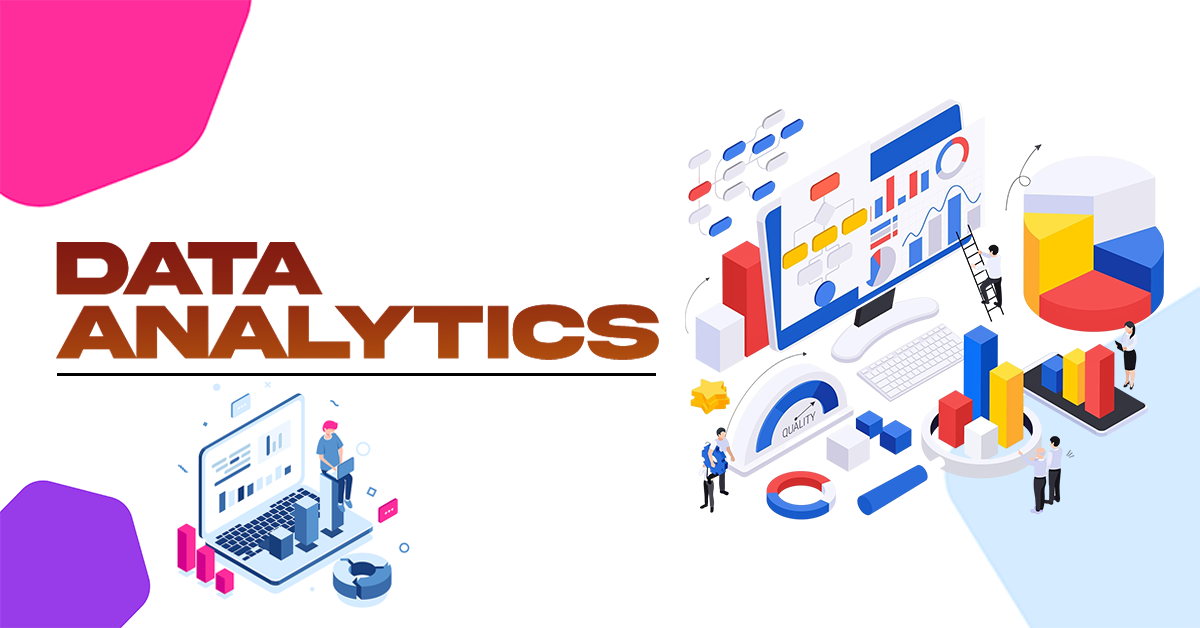
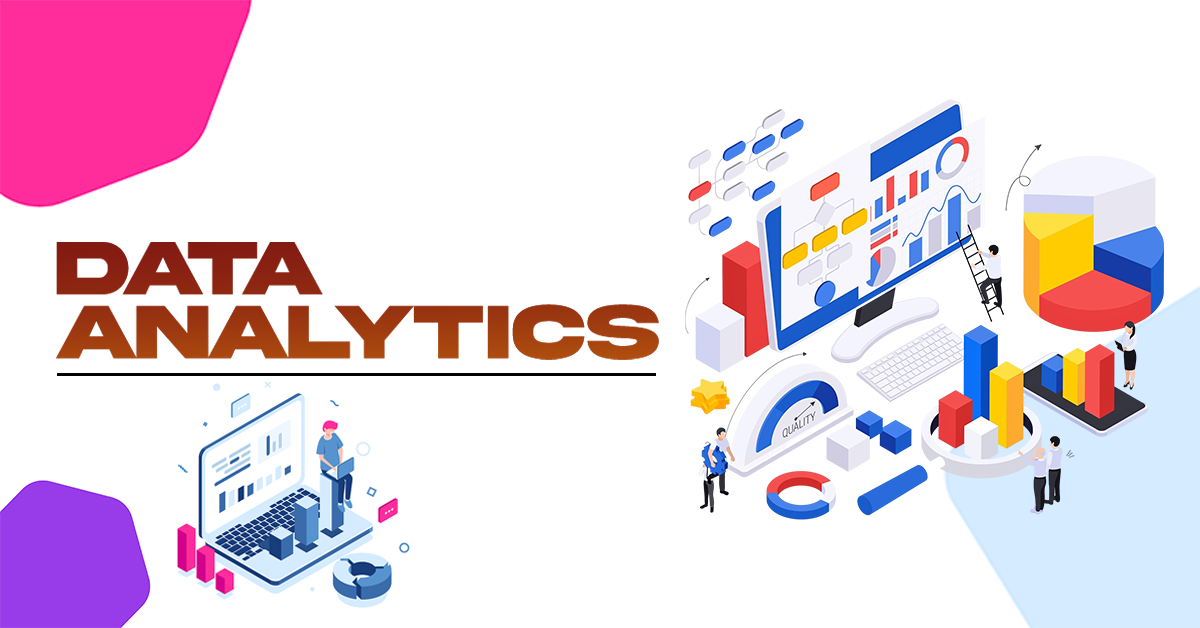
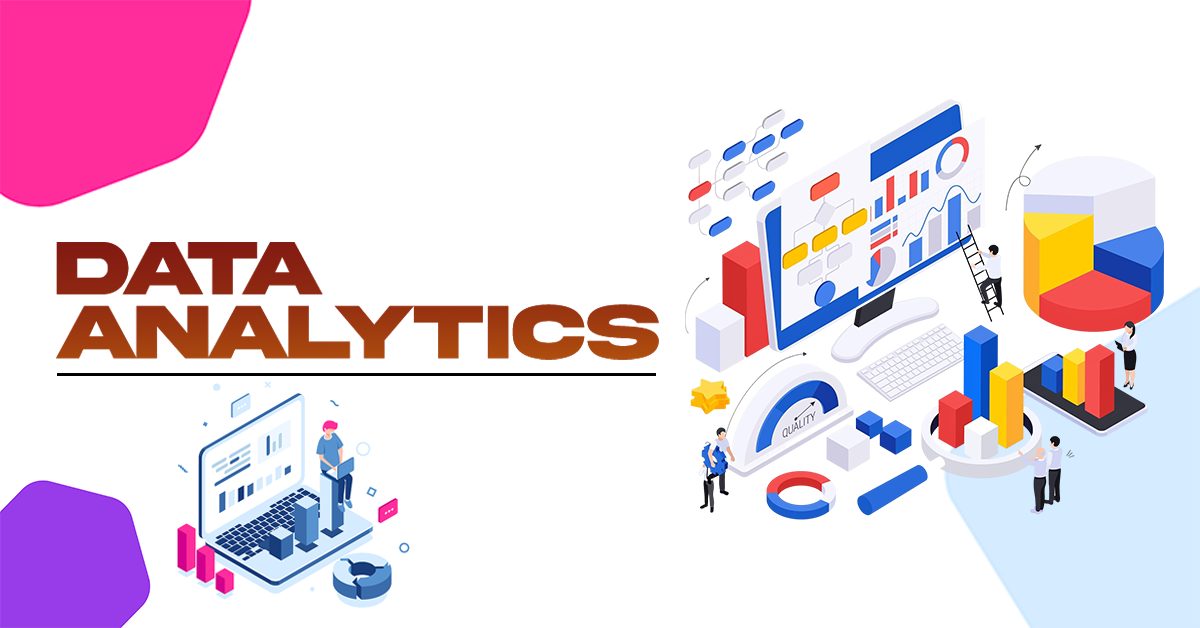
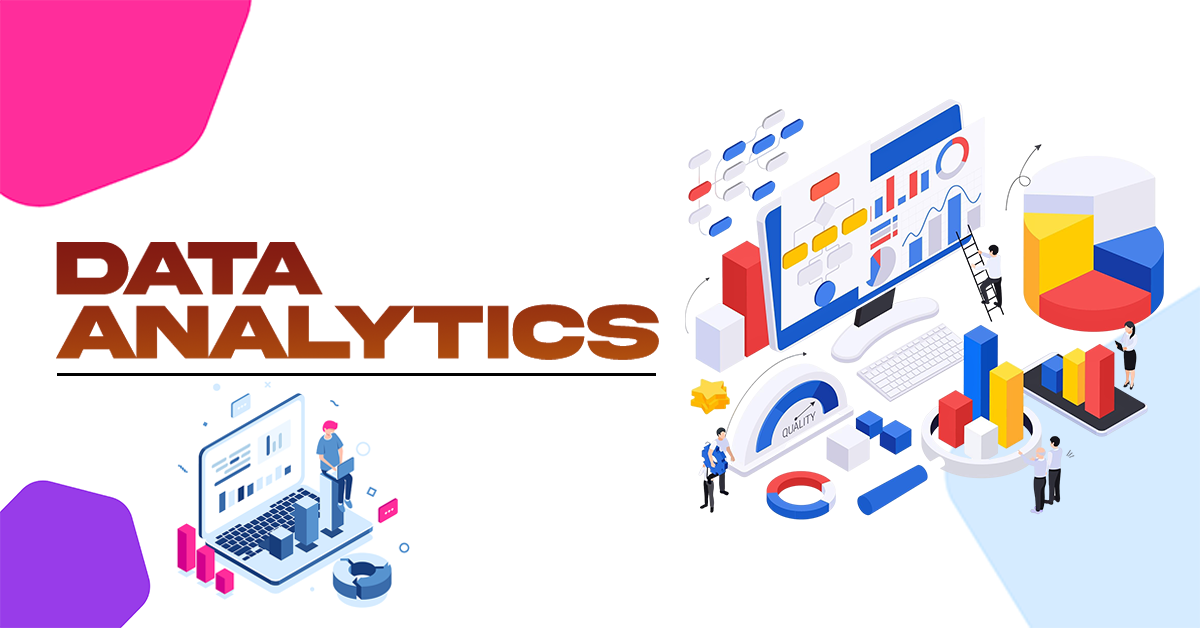
The DATA ANALYTICS LEVEL III Qualification consists of competencies that a person must achieve to apply statistical analysis concepts, prepare data sets, summarize data sets and prepare data visualization. DATA ANALYTICS is the science of analyzing raw data to make conclusions about the information it contains. It involves collecting, organizing, and analyzing data sets to identify patterns and draw conclusions, enhancing decision-making processes based on insights gained from the data.
The DATA ANALYTICS LEVEL III Qualification consists of competencies that a person must achieve to apply statistical analysis concepts, prepare data sets, summarize data sets and prepare data visualization. DATA ANALYTICS is the science of analyzing raw data to make conclusions about the information it contains. It involves collecting, organizing, and analyzing data sets to identify patterns and draw conclusions, enhancing decision-making processes based on insights gained from the data.
The DATA ANALYTICS LEVEL III Qualification consists of competencies that a person must achieve to apply statistical analysis concepts, prepare data sets, summarize data sets and prepare data visualization. DATA ANALYTICS is the science of analyzing raw data to make conclusions about the information it contains. It involves collecting, organizing, and analyzing data sets to identify patterns and draw conclusions, enhancing decision-making processes based on insights gained from the data.
The DATA ANALYTICS LEVEL III Qualification consists of competencies that a person must achieve to apply statistical analysis concepts, prepare data sets, summarize data sets and prepare data visualization. DATA ANALYTICS is the science of analyzing raw data to make conclusions about the information it contains. It involves collecting, organizing, and analyzing data sets to identify patterns and draw conclusions, enhancing decision-making processes based on insights gained from the data.
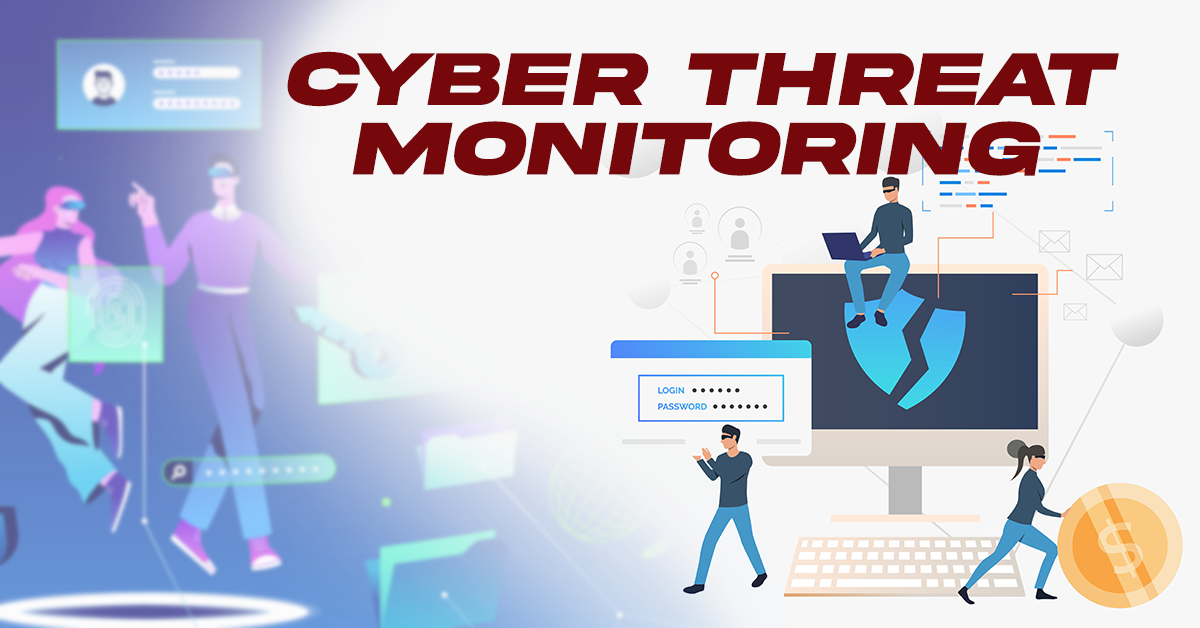
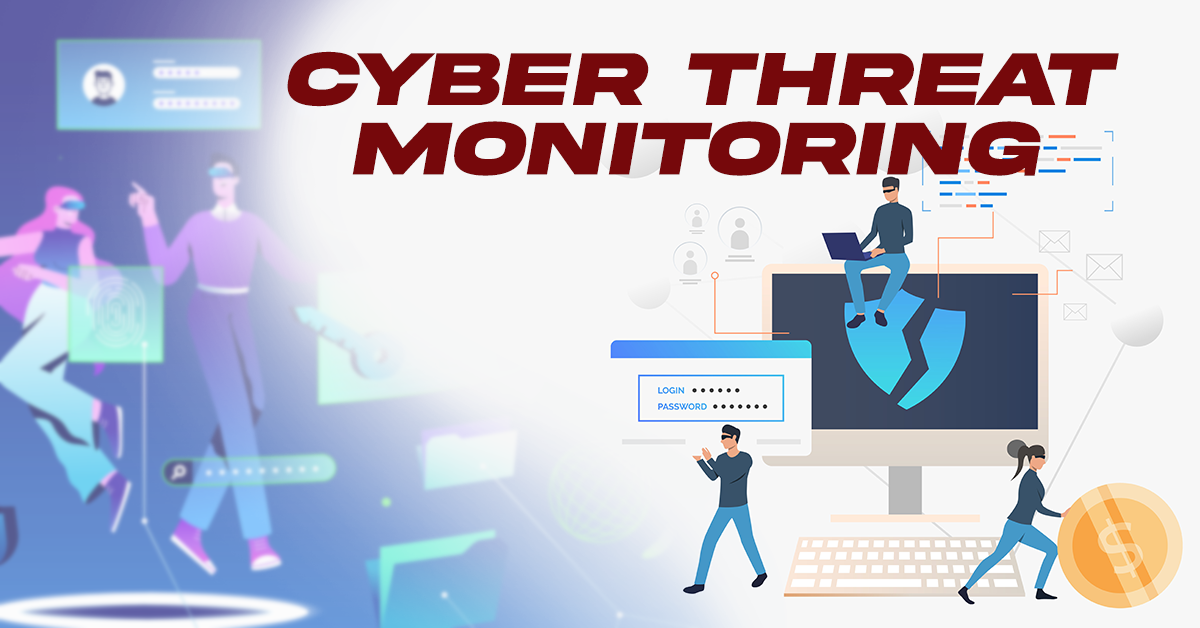
The Cyber Threat Monitoring Level I qualification consists of competencies that a person must achieve to monitor and report cyber threats and to conduct vulnerability scanning of assets, and involves continually analyzing and evaluating security data to identify cyber attacks and data breaches. This process collects and correlates information from network sensors, appliances, endpoint agents, and other security technologies to identify patterns indicative of potential threats or security incidents.